What Is Document Digitisation?
What Is Document Digitisation? A Guide for Australian Businesses
Businesses create and manage information every day. Some records may only need to be kept for a relatively short period, while others may need to be retained for many years.
The information lifecycle can be thought of simply as:
Create → Store → Access → Retain → Destroy
For many businesses, that lifecycle has traditionally involved large amounts of paper. Physical records take up space, can be time-consuming to locate and can make accessing information more difficult.
Document digitisation provides a way to move information from paper into a digital environment, making records easier to store, search, access and manage.
Document scanning vs document digitisation
The terms document scanning and document digitisation are often used interchangeably, but there is a difference.
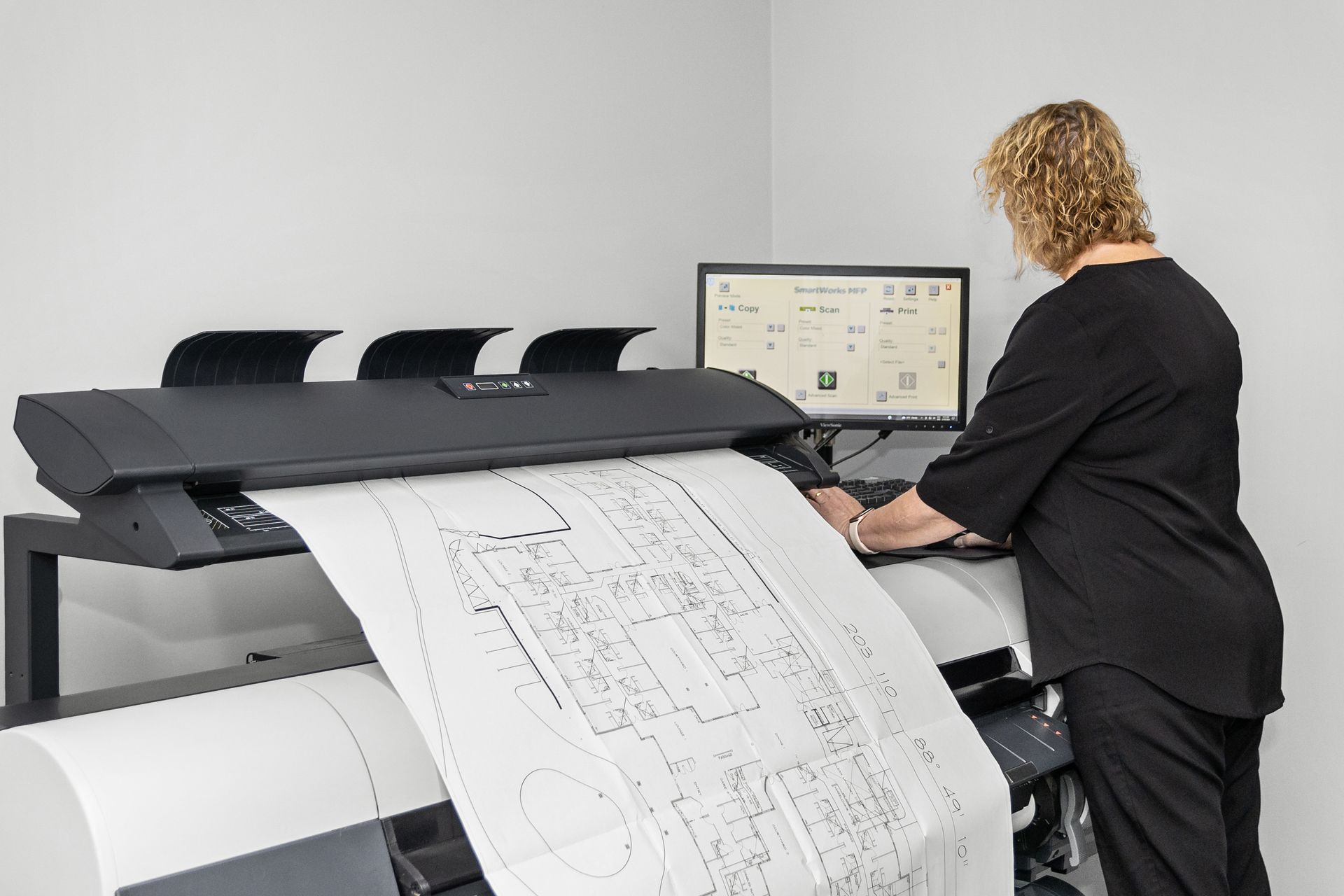
Document scanning is the process of converting a physical document into a digital image or file.
Document digitisation goes further. It can include processes such as OCR (Optical Character Recognition), indexing, classification, naming, metadata and organisation, allowing digital records to become more useful and easier to manage.
For example, a scanned document may simply be an image of a page. With OCR, the text contained within that document can be recognised, making the information searchable.
This can make a significant difference for businesses managing large volumes of records.
Why digitise business documents?
Moving paper records into a digital environment can help businesses:
- Reduce reliance on physical storage
- Make information easier to find and access
- Improve the way records are organised
- Make information easier to share with authorised users
- Reduce the time spent searching through physical files
Digitisation can be particularly useful for businesses with large archives or records that need to be accessed regularly.
But digitisation isn't simply about scanning everything and throwing the paper away.
Businesses still need to consider how long records need to be retained and what should happen to the original documents once they have been digitised.
That brings us back to the information lifecycle:
Create → Store → Access → Retain → Destroy
Digitisation can improve the store and access stages, while secure document destruction may ultimately form part of the destroy stage when records have reached the end of their required retention period.
Stay tuned as we bring more content to expand on this in the future.