How to Recycle E-Waste?
Electronic devices have become an essential part of daily life, but what happens when they reach the end of their lifespan? From outdated computers and broken laptops to old printers and mobile phones, electronic waste (e-waste) is one of the fastest-growing waste streams worldwide.
Improper disposal of electronic devices can lead to environmental harm, wasted resources, and potential data security risks. Understanding how to recycle e-waste correctly helps reduce landfill waste, recover valuable materials, and support a more sustainable future.
What Is E-Waste?
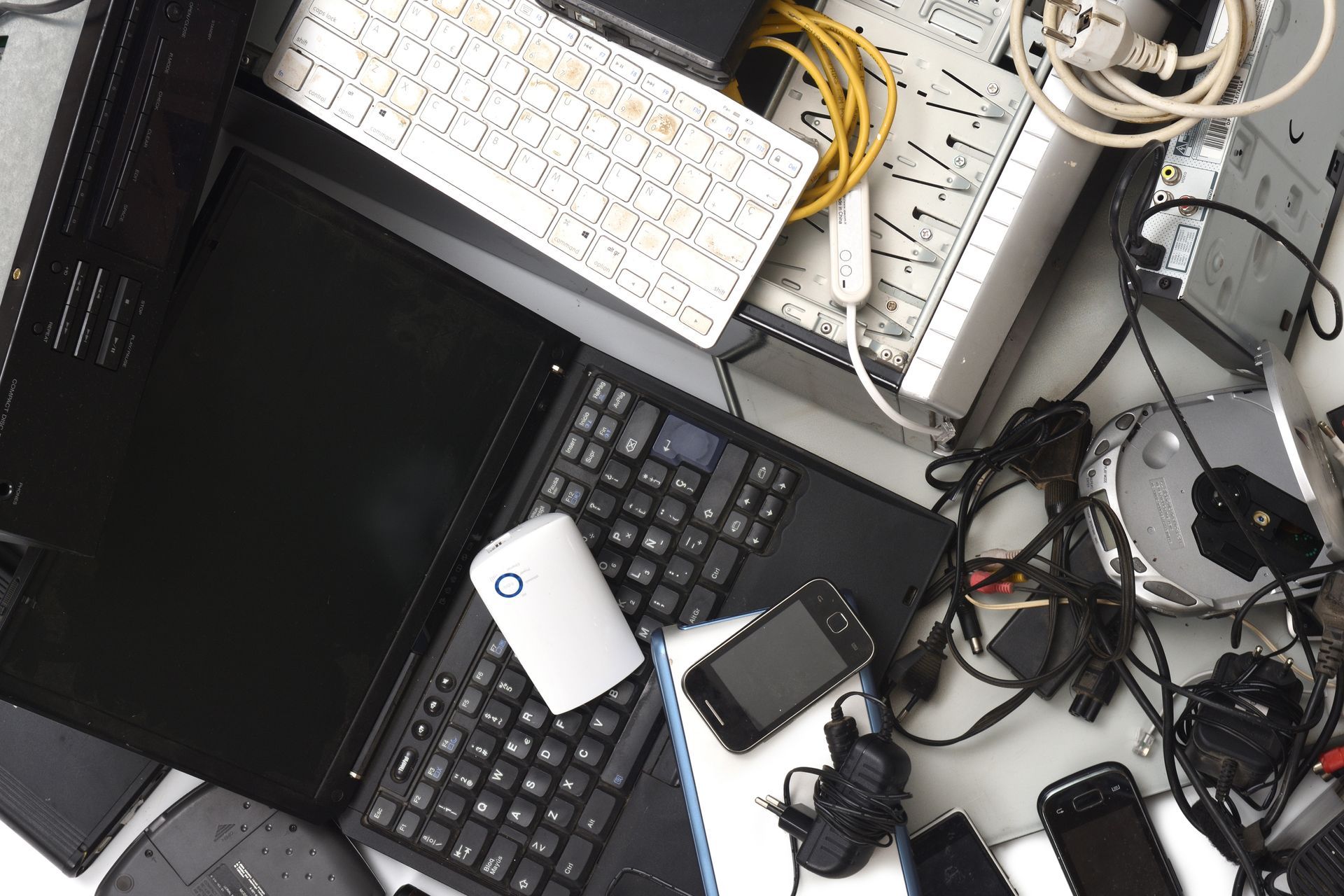
E-waste refers to any electronic device or electrical equipment that is no longer wanted, working, or useful. These items often contain valuable materials such as copper, aluminium, steel, gold, and plastics that can be recovered and reused.
Common examples of e-waste include:
- Desktop computers
- Laptops
- Monitors and screens
- Printers and scanners
- Mobile phones
- Tablets
- Servers and networking equipment
- Hard drives
- Keyboards and computer accessories
- Audio and visual equipment
- Cables and chargers
As technology evolves rapidly, businesses and households regularly replace equipment, creating large volumes of electronic waste that require responsible disposal.
Why Is E-Waste Recycling Important?
E-waste Recycling is important as it:
- Reduces Landfill Waste - Electronic devices contain components that can take years to break down in landfill. Recycling prevents these materials from contributing to growing waste problems.
- Conserves Valuable Resources - Many electronic products contain metals and materials that can be recovered and reused in the manufacturing of new products. Recycling reduces the demand for virgin resources and supports a circular economy.
- Protects the Environment - Certain electronic components may contain substances that can negatively impact the environment if not handled correctly. Proper recycling ensures these materials are safely processed.
- Supports Data Security - Businesses often store sensitive information on computers, servers, hard drives, and other devices. Professional e-waste recycling services can help ensure data-bearing equipment is securely destroyed or wiped before recycling.
What Electronics Can Be Recycled?
Many people are surprised by the range of items that can be recycled through specialist e-waste programs.
Computers and IT Equipment
Businesses frequently upgrade technology, making computers one of the most common forms of e-waste.
Recyclable items include:
- Desktop computers
- Laptops
- Workstations
- Servers
- Networking equipment
- Docking stations
Printers and Office Equipment
Office technology often contains recyclable metals, plastics, and electronic components.
Examples include:
- Printers
- Multifunction devices
- Scanners
- Photocopiers
- Fax machines
Mobile Devices
Many recycling facilities accept:
- Mobile phones
- Tablets
- Smartwatches
- Accessories and chargers
Storage Devices
Storage devices often contain sensitive information and should be disposed of securely.
These include:
- Hard drives
- Solid-state drives (SSDs)
- USB drives
- Backup storage devices
How to Prepare E-Waste for Recycling
Before disposing of electronic devices, it is important to take several steps to protect your information and maximise recycling outcomes.
- Back Up Important Data - Review devices for any files, documents, photos, or business information you wish to keep before disposal.
- Remove Personal Information - Factory reset devices where possible and remove personal accounts from phones, tablets, and computers.
- Securely Destroy Sensitive Data - For businesses handling confidential information, professional data destruction services provide greater peace of mind by ensuring information cannot be recovered.
- Separate Batteries Where Required - Some recycling programs require batteries to be removed and processed separately. Check the requirements of your chosen recycling provider.
- Organise Equipment for Collection - Businesses disposing of multiple devices can simplify the process by sorting equipment into categories before collection or drop-off.
Where Can You Recycle E-Waste?
There are several options available for responsible e-waste disposal:
- Specialist E-Waste Recycling Providers - Professional recyclers are equipped to handle a wide range of electronic devices while ensuring materials are processed responsibly and data security requirements are met.
- Business Technology Recycling Programs - Many organisations use dedicated IT asset disposal and recycling services when upgrading office equipment or relocating premises.
- Local Collection Programs - Some local councils and community programs offer e-waste collection events or designated drop-off points for residents.
- Retail Take-Back Programs - Certain electronics retailers may offer recycling services for selected devices and accessories.
Common Mistakes to Avoid When Recycling E-Waste
Some common mistakes include:
- Throwing Electronics in General Waste - Electronic devices should never be placed in standard household or commercial rubbish bins where they may end up in landfill.
- Forgetting About Data Security - Simply deleting files is often not enough to permanently remove sensitive information. Professional data destruction is recommended for business equipment.
- Storing Old Equipment Indefinitely - Many organisations hold onto outdated devices for years, creating storage issues and increasing security risks. Recycling unwanted equipment promptly is often the better solution.
- Using Unverified Disposal Services - Choosing reputable recycling providers helps ensure electronics are processed responsibly and in accordance with environmental standards.ng services for selected devices and accessories.
Benefits of Professional E-Waste Recycling for Businesses
For businesses, e-waste recycling offers more than environmental benefits.
Professional recycling services can provide:
- Secure data destruction
- Responsible asset disposal
- Reduced storage requirements
- Improved sustainability outcomes
- Compliance support
- Detailed reporting and documentation where required
By partnering with an experienced provider, businesses can simplify technology disposal while protecting sensitive information and reducing environmental impact.
Building a More Sustainable Future Through E-Waste Recycling
As electronic devices continue to play a larger role in both business and everyday life, responsible e-waste management becomes increasingly important. Recycling unwanted electronics helps reduce landfill waste, recover valuable resources, protect the environment, and ensure sensitive data remains secure.
Whether you're replacing a single computer or upgrading an entire office's technology infrastructure, choosing a professional e-waste recycling solution can make the process safer, simpler, and more sustainable.
Recycle Your E-Waste Responsibly with The DocShop
If you're looking for a secure and environmentally responsible way to dispose of unwanted electronic equipment, The DocShop can help. Our team provides professional e-waste recycling and secure data destruction services to help businesses safely manage outdated technology while supporting sustainable disposal practices.
Contact The DocShop today to learn more about our
e-waste recycling solutions and discover how we can assist with your next IT equipment disposal project.