What happens after document digitisation?
After document digitisation... the next steps.
What Happens to Your Paper Documents After They’re Digitised?
In our last post, we spoke about the story of information and the lifecycle it normally goes through, specifically within a business:
Create → Store → Access → Retain → Destroy
More businesses are moving towards a digital-first approach, with information being stored and accessed digitally throughout its required lifecycle.
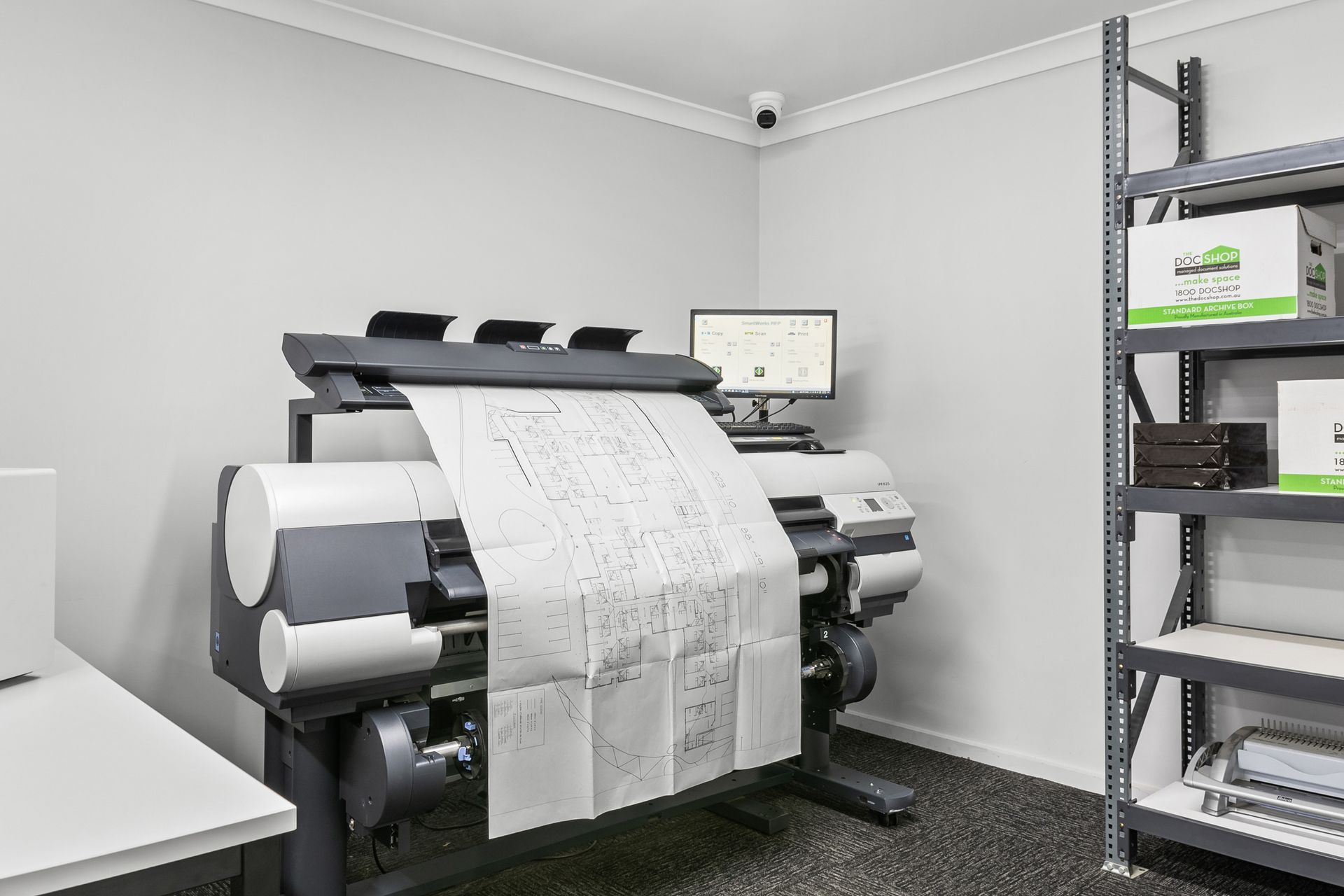
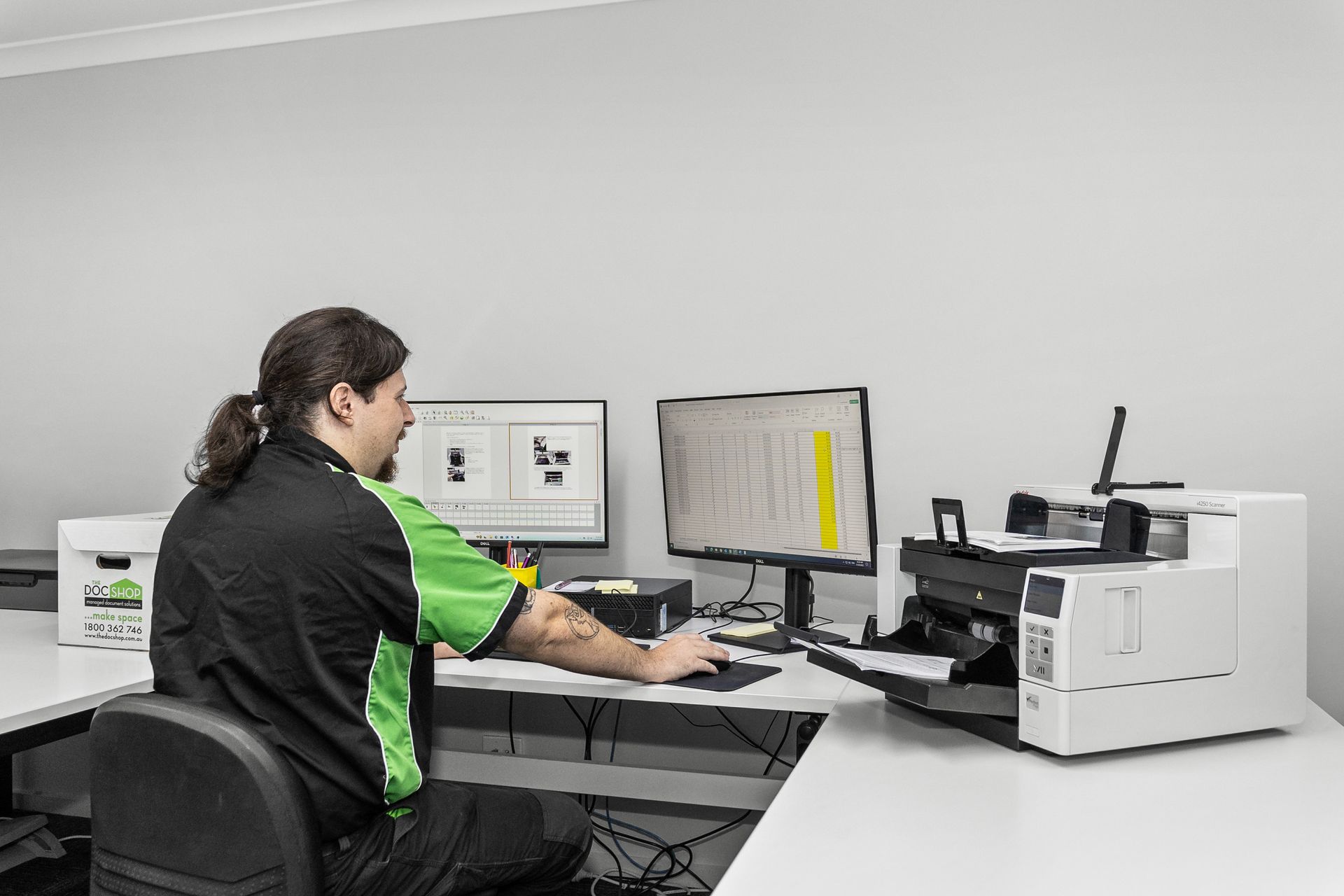
Where those records were originally created or stored as paper, digitisation can help reduce physical storage requirements and make information easier to access and manage.
But what happens to the original paper?
This is the question that comes after digitisation.
Some records may need to be retained in their original form for a specific period, depending on the type of record and the legislation or requirements that apply.
For others, a digital copy may meet the organisation's requirements.
The important point is that scanning a document doesn't automatically mean the original can be destroyed.
Before making that decision, check the applicable retention requirements and your organisation's records management policy.
If you still need the paper, get it out of the office
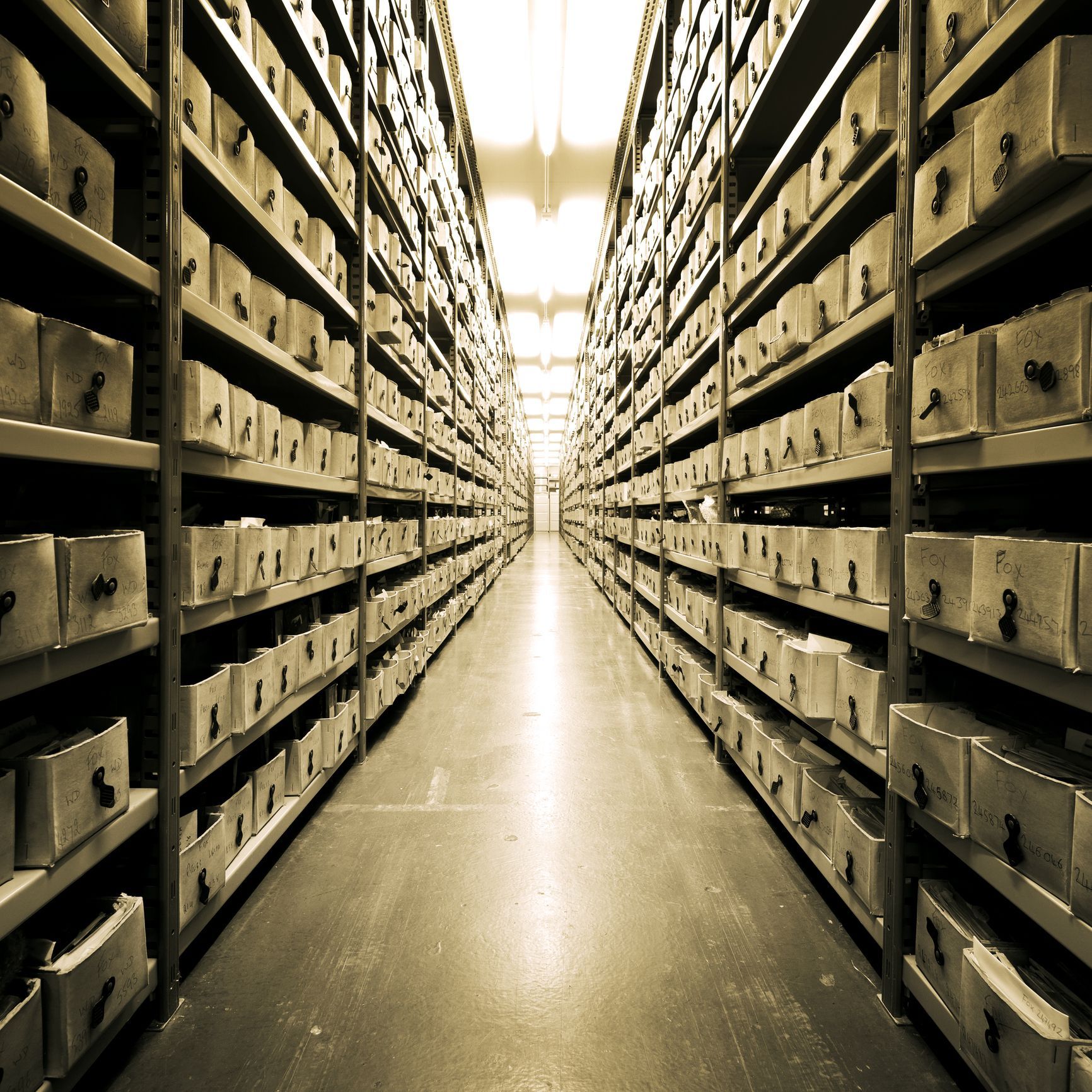
If the physical record still needs to be retained, secure off-site document storage can be an option.
Rather than keeping boxes of records in valuable office space, they can be securely stored elsewhere while remaining available when required.
That brings us back to the original reason for digitisation:
Less paper in the office. More usable space for people and productive work.
When the original is no longer required
Once you've confirmed that the original document no longer needs to be retained, it's time to consider how it will be disposed of.
If the document contains personal, confidential or sensitive information, you remain responsible for protecting that information through its disposal.
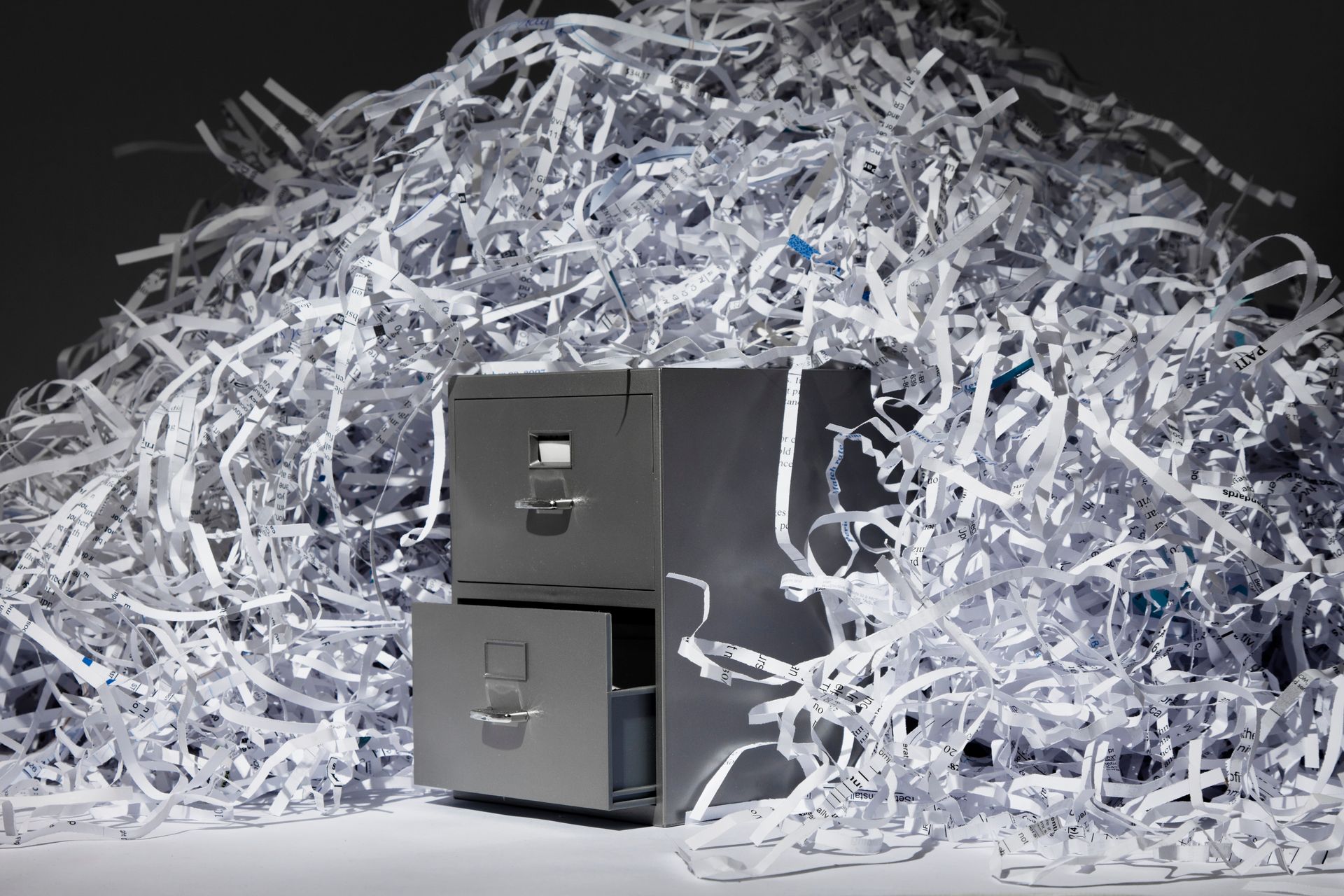
Secure destruction ensures the information contained in the physical document cannot simply be retrieved from discarded paper.
Secure destruction — the final step
For businesses holding large quantities of paper records, secure document destruction provides a controlled way to remove those records from the information lifecycle.
Documents can be collected, securely destroyed and a Certificate of Destruction provided, giving the business a record that the physical information has been securely disposed of.
Create → Store → Access → Retain → Destroy
Digitisation can help businesses move away from managing mountains of paper.
But the journey doesn't end when the document is scanned.
Knowing what to retain, what to store and what can be securely destroyed is the final part of the information lifecycle.