What to Digitize Before You Shred: A Guide for Melbourne Businesses
What to Digitize Before You Shred: A Guide for Melbourne Businesses
What to Digitize Before You Shred: A Guide for Melbourne Businesses
Most Melbourne businesses treat document shredding as a cleanup event. The boxes pile up in a storage room for years, someone finally books a collection, and the whole lot goes into secure bins without a second look. But before you destroy old records, it is worth asking a simple question: should any of that information be digitised first? That is a missed opportunity. Some of those records contain data you still need, and once the shredder runs, it is gone for good.
The smarter approach is a quick triage before destruction day. It takes less time than you think and can save your team hours of reconstruction work later.
Step 1: Sort by retention requirements
Not everything in your archive is past its keep-by date. Many Australian tax and business records must be kept for five years, while certain employment records must be kept for seven years. Retention requirements can vary depending on the type of record and the circumstances, so always check the applicable requirements before destroying records. Contracts, warranty documents, and insurance policies each have their own timelines.
Before you shred, pull out anything that is still within a mandatory retention period. If you do not want to keep the physical copy, digitize it. Once a document has been scanned, the digital copy has been checked and you have confirmed that the original is no longer required, the paper version can be considered for secure destruction.
Documents you should scan before destroying include:
- Tax invoices and BAS records still within the five-year window
- Signed contracts for active agreements
- Employee records including payroll, leave, and superannuation
- Insurance certificates for current policies
- Equipment warranties still in effect
Step 2: Identify the data trapped in tables
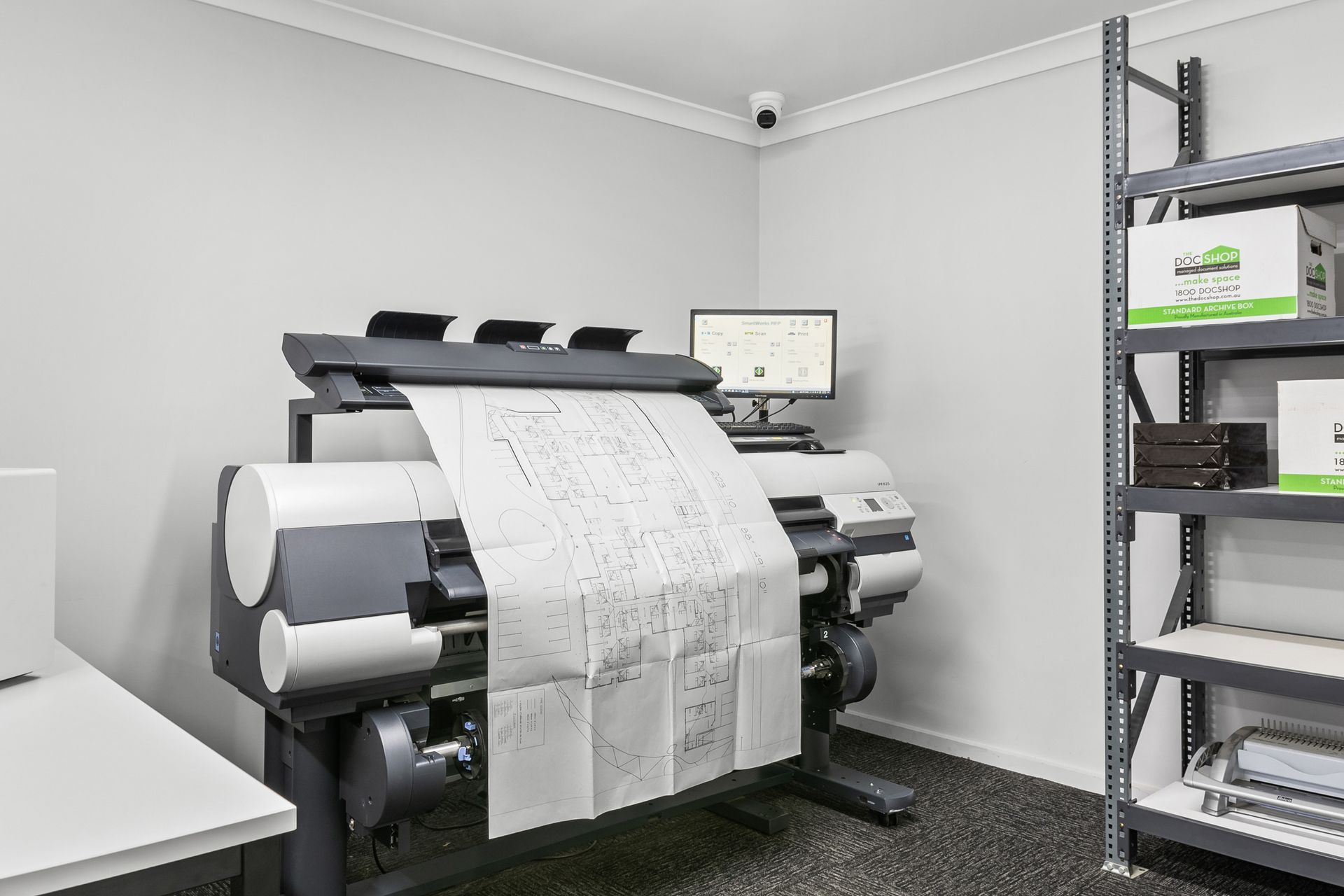
The trickiest documents to digitize are the ones holding structured data: price lists, inventory counts, supplier catalogues, old financial ledgers. These are not just text on a page. They are rows and columns you might need to sort, filter, or calculate against later.
A photograph of a price list sitting in a folder is not useful. An Excel file you can actually search, compare, and import into your accounting system is. If you printed a supplier price sheet in 2022 and the only copy is in a box marked for destruction, you will want that data before it disappears.
For extracting structured information from scanned documents, OCR and data-extraction tools have come a long way. A practical walkthrough by Imgtosheet covers how to digitize paper tables into Excel without retyping, with specific guidance on image quality, checking OCR output for errors, and organizing a batch workflow when you have dozens of documents to process. The key takeaway: a well-lit, flat photo of a printed table with clear gridlines will convert cleanly. Handwritten or crumpled pages will need more cleanup.
Step 3: Decide what can go straight to the bin
Not everything is worth the effort. Internal memos from 2018, duplicate copies, blank forms from an old version, marketing materials from a rebrand you retired three years ago. These have no ongoing value. If you cannot identify a legal, contractual, operational or business reason to retain a document, it may be a candidate for secure destruction — subject to your organisation's retention policy and any applicable requirements.
Step 4: Shred with confidence
Once you have pulled out what is worth keeping and digitize what you need, the rest goes to secure destruction. That is where the peace of mind comes from. A NAID AAA certified provider like The DocShop handles the full chain of custody: locked bins at your premises, secure transport, industrial-grade shredding, and recycling of the paper waste.
The DocShop services Melbourne and regional Victoria, including Ballarat, Bendigo, Dandenong, and the Latrobe Valley. Scheduled collections with secure 120L, 240L, or 660L bins mean you can make this a regular process rather than a once-a-year panic.
The whole triage takes an afternoon for most small-to-medium archives. Sort by retention. Scan the tables you need data from. Shred the rest. Your future self, searching for last year's supplier pricing in a searchable folder instead of a landfill, will thank you.